7 reasons why you feel tired all the time

During the allotted hours of darkness?
.
Two-in-three adults have had innings in which their sleep is disrupted, and about one in two don't get a good night's sleep.
What's behind this widespread sleep issue, and how can we resolve it?
7. Gobsmackingly, some medications can make you feel tidied. Certain meds, like sedatives or antidepressants, can add to fatigue.
Along with the things you can do to improve your sleep routine.
1. Your cortisol levels are running a bit too high

, keeping you on high alert, even if the 'danger' is just a hectic day.
We can probably all agree on this one. Jane says "chronic high cortisol messes up your sleep-wake cycle, making a good night's sleep a bit tougher to get."
To unwind before getting to bed, she advises deep breathing exercises, or giving a quick meditation a go, to let your body know it's alright to start relaxing.
2. Your levels of anxiety are quite elevated

The brain is the body's late-night DJ and loves to play a set as you're winding down.
Constantly replaying concerns or nitpicking over the finer details for that important work meeting tomorrow keeps us in a state of heightened alertness. She explains that this can exhaust our energy and make it even more difficult to unwind.
Keep your brain clear at 2am.
3. Your hormonal system is really thrown out of whack

‘This can genuinely bugger up your sleep routines,’ Jane believes.
and exasperation, which can contribute to a bad night’s sleep.
.
4. You're frittering too much time away sitting around/moving your bum Hastings

Fair dinkum, there's not much many of us can do about spending eight hours a day stuck at our laptops, often stuck in office chairs or on the couch. We've got to pay the mortgage, don't we?
Whether it's taking regular standing and stretching breaks, or fitting in a walk around the block during your lunch break.
Regular, moderate aerobic exercise, especially walking, running or swimming, can help improve the quality of one's sleep by increasing the amount of time spent in slow-wave deep sleep.
She also says it can assist with diminishing anxiety and feeling down, both of which have a reputation for interrupting a good night's sleep.
‘Make sure not to do strenuous exercise too near bedtime, as it can hold you back getting to sleep,’ she advises.
5. You're getting a bit too much blue light
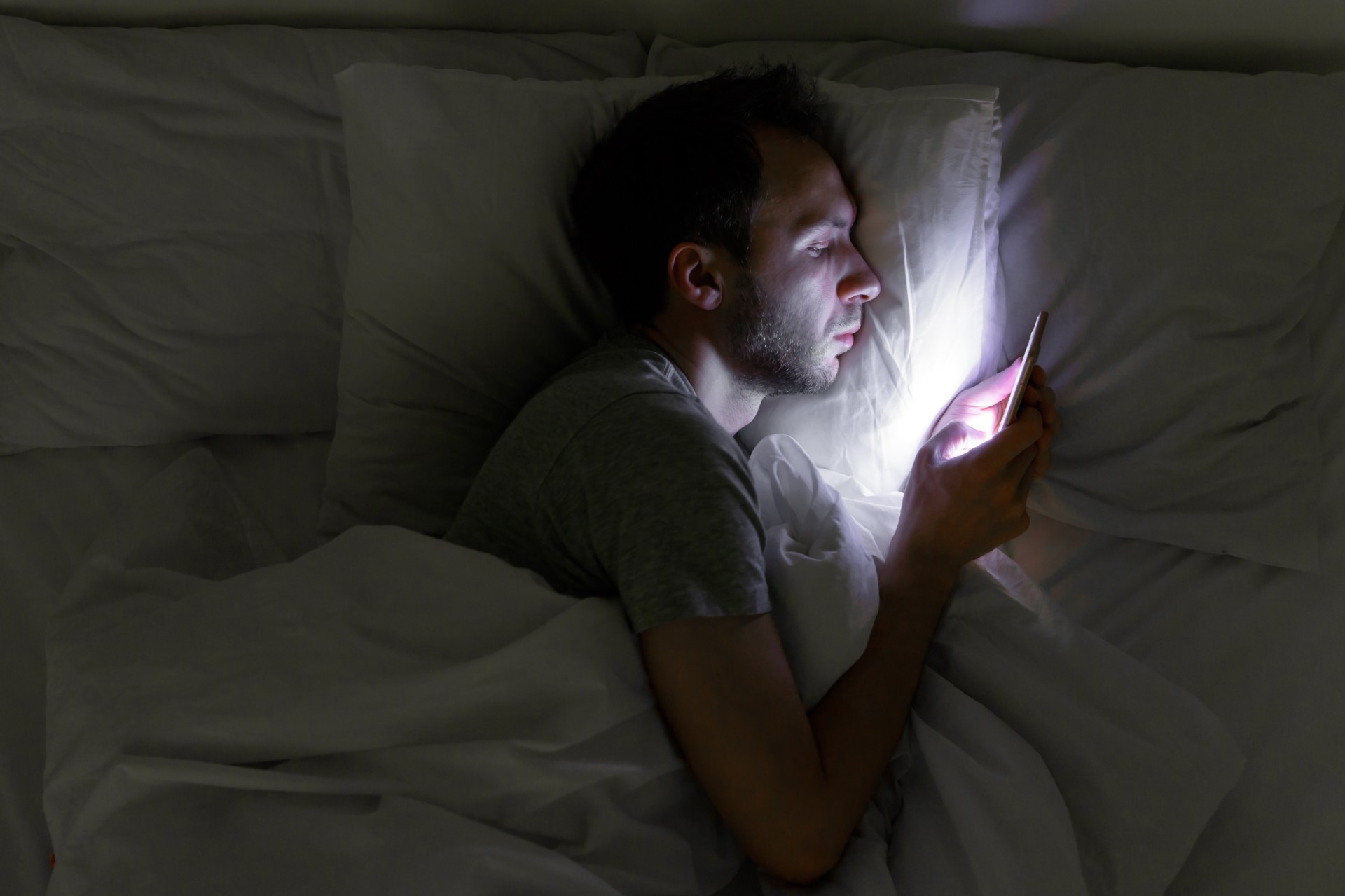
,’ schools Jane.
Switch off screens a good hour or so before bedtime to keep the brain awake. Jane reckons it's a good idea to 'try to turn off your screens an hour or two before hitting the sack, or switch to a warm light setting.' You've probably heard it before, but it's essential to actually make the effort.
It's time to get up! To do this, just get out in the fresh air.
You're having your dinner too late.

– especially unhealthy choices like potato chips, lollies, or other processed tucker – just know that it might be contributing to your sleep difficulties.
Jane stresses: 'Having a feed too close to bedtime can mess with your sleep as your body concentrates on churning food instead of winding down. Try to finish your meals a couple of hours before bed to get a better night's sleep.'
It gives your body a chance to switch to rest mode and helps prevent mid-night wake-ups due to indigestion
There doesn't seem to be a text provided for me to paraphrase. Please provide the text, and I will paraphrase it in Australian (English) language.

‘Routine is the key.’ says Jane, who advises everyone to ‘respect their natural rhythms.’
Going to bed and getting up at the same time each day helps your body settle into sleep faster and remain asleep for a prolonged period.
The expert’s advice?
‘Develop a relaxing pre-sleep routine, restrict screen time, and establish a peaceful sleep space to assist in maintaining a regular body clock.’
Do you've got a yarn to share?
.
's The Fix newsletter
Posting Komentar